Unleashing the Power of Google Ads AI Essentials: Best Practices for Customer Match


Harnessing advanced tools like Google Ads Customer Match is essential for effective marketing. This feature empowers businesses to utilise their own customer data to create highly targeted ad campaigns. This blog post will delve into best practices for using Google Ads Customer Match to ensure you maximise your advertising impact and return on investment.


What is Google Ads Customer Match?

Google Ads Customer Match allows businesses to upload customer information, such as email addresses, phone numbers, and mailing addresses, to Google. This data is then used to target ads specifically to these customers across Google’s extensive network. By tailoring ads to known customers, businesses can significantly enhance engagement and conversion rates.


Best Practices for Implementing Customer Match

Collect High-Quality Data

The success of Google Ads Customer Match depends on the quality of your customer data. Ensure your data is accurate, comprehensive, and up-to-date. Collect information from various sources like CRM systems, transaction records, and customer interactions. Regular data cleaning is essential to maintain its quality.

Segment Your Customers

Not all customers have the same needs or behaviours. Segment your audience based on factors such as purchase history, engagement level, and demographic information. This segmentation allows for more personalised and relevant ads, increasing the likelihood of conversions.

Utilise Google’s Automated Tools

Google Ads offers a suite of automated tools that leverage AI to optimise your campaigns. These tools help identify high-performing segments, adjust bids, and manage budgets effectively. By automating these processes, you can ensure your ads are seen by the right audience at the right time.

Test and Optimise Regularly

Continuous testing is key to a successful Google Ads Customer Match strategy. Experiment with different ad creatives, messaging, and offers to determine what resonates most with your audience. Use A/B testing to compare performance and make data-driven adjustments to your campaigns.

Prioritise Privacy and Compliance

Handling customer data responsibly is crucial. Ensure your data collection and usage practices comply with privacy regulations like GDPR. Clearly inform customers how their data will be used and provide opt-out options to maintain trust.


Benefits of Google Ads Customer Match

Implementing Google Ads Customer Match offers several significant benefits:

  • Enhanced Targeting: Reach customers who are more likely to convert based on their past interactions with your business.
  • Improved Personalisation: Create tailored ads that resonate more deeply with your audience, leading to stronger engagement.
  • Higher ROI: Precise targeting and personalised ads result in higher conversion rates and a better return on investment.

By optimising your use of Google Ads Customer Match and adhering to these best practices, you can achieve better targeting, increased personalisation, and improved ROI for your advertising campaigns. Embrace these advanced strategies to elevate your marketing efforts and drive business success.


Thirsty for more knowledge? Read this…

Google Ads Management Cost UK: 2026 Pricing Guide

How Much Does Google Ads Management Cost in the UK? (2026 Guide)Google Ads management in the UK costs between £1,500 and £6,000 per month for most businesses, depending on campaign complexity, ad spend volume, and the pricing model your agency uses. At the lower end,...
Google Ads DSA upgrade to AI Max with real-time intent and automated assets.

Google Ads DSA Upgrade To AI Max

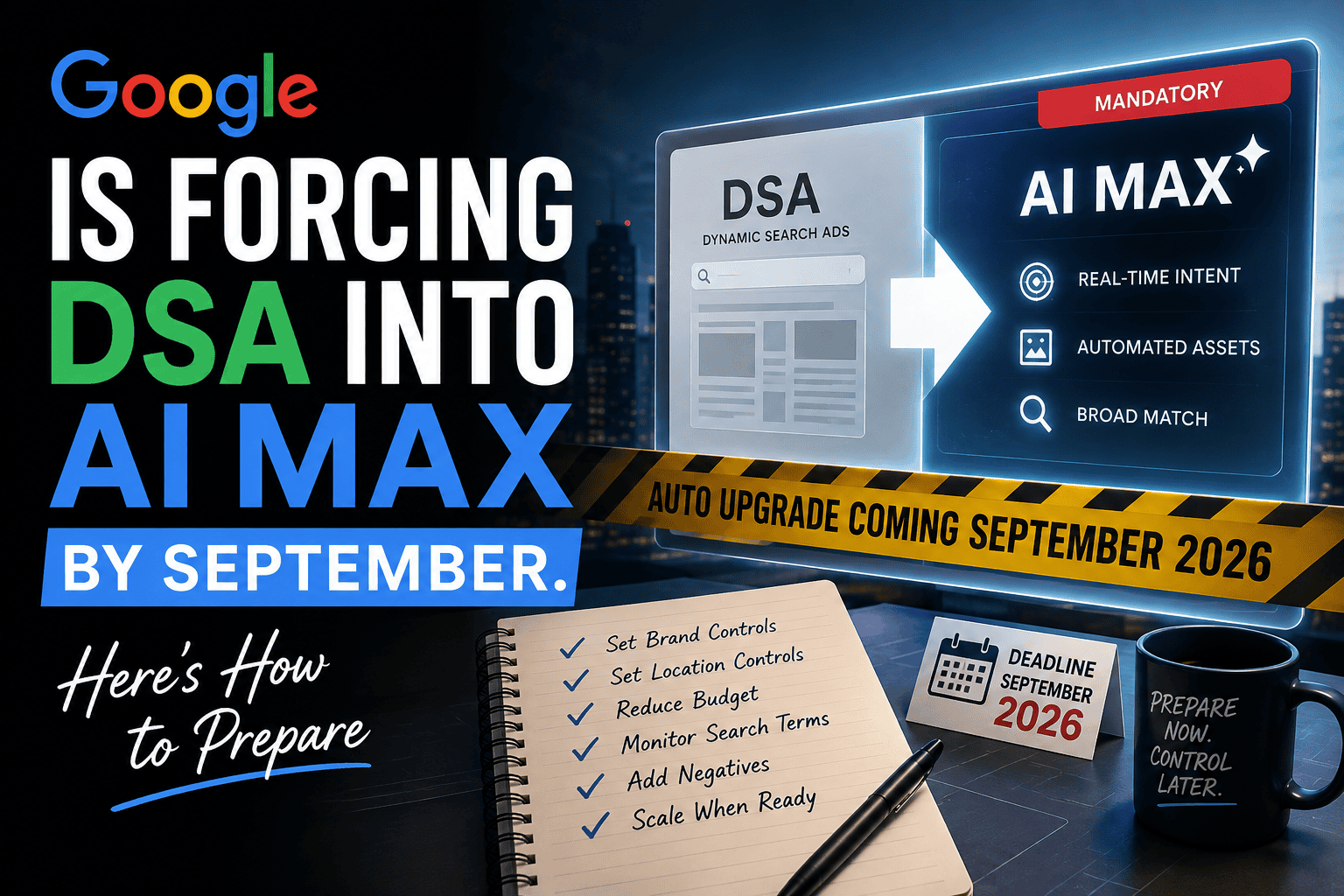
Google Is Forcing DSA Into AI Max By September. Here's How to PrepareShort answer: From September 2026, Google is automatically upgrading Dynamic Search Ads, automatically created assets and campaign-level broad match into AI Max, whether you opt in or not. You won't...

Is Google Tag Gateway Worth Turning On? What It Actually Does

Section 01What it actually is In plain terms: normally, when someone visits your site, your Google tracking code sends a message to Google - "someone viewed this page," "someone bought this" - from Google's own address. Many browsers and ad blockers recognise that...
TCPA and TROAS Bidding Strategy Update

Google’s 17 August Bidding Change: What Every Target CPA and Target ROAS Advertiser Needs to Check – Why Your CPA Will Go Up and ROAS Will Drop

Google's 17 August Bidding Change: What Every Target CPA and Target ROAS Advertiser Needs to CheckShort answer: From 17 August, budget limited Target CPA and Target ROAS campaigns will stop beating their targets and start chasing the exact number you've entered in...
Why Counting Calls Isn't Call Tracking (And What It's Costing You)

Why Counting Calls Isn’t Call Tracking (And What It’s Costing You)

Why Counting Calls Isn't Call Tracking (And What It's Costing You)   Short answer: Recording that a call happened tells you almost nothing. What matters for paid ads is recording what kind of call it was, then feeding that quality signal back to Google (or Bing,...